

Pearls of Wisdom
Meaning and Importance of the Pirith Thread (Blessed string)
In the Buddhist tradition, the Pirith Thread (Pirith Nool) or Blessed string tied around the wrist by Buddhist monks after the chanting of Pirith or Paritta chanting is a sacred symbol that reminds us of faith, blessings, and wholesome thoughts.
During a Paritta chanting ceremony, monks recite discourses of the Dhamma that radiate loving-kindness, compassion, and the power of truth. The thread used during the ceremony is connected with the Paritta chanting and blessed water, and is therefore regarded as a symbol of blessings and protection.
Many Buddhists believe that wearing a Pirith Thread or Blessed string offers protection from harmful influences, including negative spiritual forces and various misfortunes. However, according to Buddhist teachings, the protective power associated with the Pirith Thread is strengthened through faith in the Triple Gem – the Buddha, the Dhamma and the Sangha – as well as through observing moral conduct, performing wholesome deeds, and cultivating a virtuous mind.
Wearing a Pirith Thread reminds us of:
- The importance of living according to the Buddha’s teachings
- Cultivating loving-kindness and compassion
- The value of accumulating wholesome merits
- Protecting and maintaining moral conduct
- Strengthening faith in the Triple Gem
The Pirith Thread is not merely an ornament; it is a reminder to live a wholesome life and a symbol of our connection to the Dhamma.
~Walk for Peace – Sri Lanka~
The Living Heart of Buddhist Teachings
Buddhism does not explain existence through a creator or a first cause. In short, it does not recognise an all-encompassing, ubiquitous, all-knowing entity, what many religions call “God.”
Instead, it teaches dependent origination: conditioned phenomena arise through causes and conditions, that is, when this exists, that exists; when this ceases, that ceases.
This teaching is aimed mainly at explaining the arising and cessation of suffering, not at establishing a metaphysical first principle. Nibbana is unconditioned, but it is not a creator or an uncaused cause of the world.
This matters because Buddhism is less concerned with winning a theory of cosmic origins than with ending dukkha, that is, unsatisfactoriness. If one turns dependent origination into abstract metaphysics alone, one can miss its practical use:
– With ignorance, suffering continues.
– With wisdom, the chain is weakened.
– With cessation, freedom is known.
That is the living heart of the teaching.
In summary, you can simply state that:
1. Buddhism rejects a creator “GOD” or first cause.
2. Nibbana is not a creator.
3. Buddhist teaching emphasises “dependent origination,” mainly as a way of explaining the arising and cessation of suffering, of ending dukkha right here and now.
4. Buddhists are not interested in scoring “brownie points” to convince others to embrace a creator in order to get to heaven.
Lim Kooi Fong
Friends of NORBU (https://norbu-ai.org/)
~~ A Simple Way to Understand the Five Khandhas ~~
Theravada Buddhists are taught that the human personality is made up of five parts, called the Five Khandhas or the Five Aggregates. This idea appears in the Khandha Sutta ( SN 22.48) in which the Buddha teaches monks about the Five Khandhas or Pañca Khandhā
The Five Khandhas are the different parts that come together to make a human. The Buddha taught that all people are made up of these five elements.
🔸 1.Form (the body)
➥Buddhist word – Rūpa
➥ What does this mean?
This is matter that is tangible (i.e can be touched). This Khanda is linked to our five senses (smell, touch, taste, sight and hearing).
➥ An example – Seeing a physical object, such as a chair.
🔸 2. Sensation (feelings)
➥Buddhist word – Vedanā
➥What does this mean?
These are feelings experienced from using the five senses. They can be physical or emotional.
➥ An example – Seeing a comfortable chair after a long, tiring day may lead to a sense of happiness.
🔸3. Perception (the process of recognising what things are)
➥Buddhist word – Saññā
➥What does this mean?
This allows people to recognise things in the world because they have seen or experienced those things before.
➥An example – Recognising the chair through experience of using them before.
🔸4. Mental formations (thoughts)
➥Buddhist word – Saṅkhārā
➥What does this mean?
This is about the different opinions and feelings that people may have.
➥An example – Creating an opinion about the chair in relation to other chairs experienced previously.
🔸5. Consciousness (an awareness of things)
➥Buddhist word – Viññāṇa
➥What does this mean?
This is the awareness a person has of the things around them in the world.
➥ An example – Being aware of things in the world.
The Buddha believed that these different parts are fluid, which means they are changing all the time. Therefore, the ‘self’ is also changing all the time. The belief that everything is in a state of change and there is no permanent self is called anattā
Theravada Buddhists believe that these different parts relate to each other and that they make a person who they are. The Khandhas give people their personalities.
Cover Page Feature
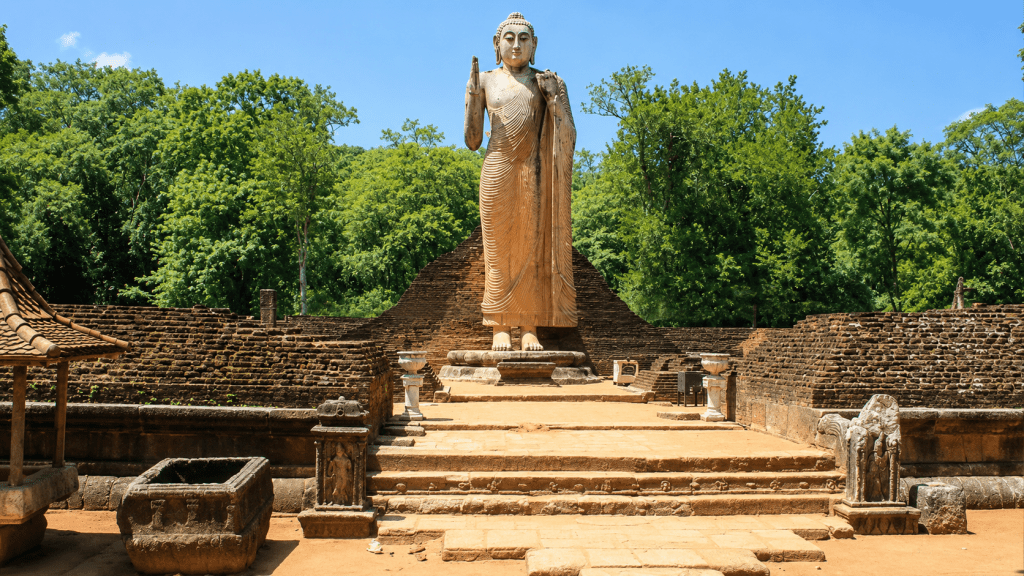
Maligawila Buddha Statue
The Maligawila Buddha statue is a standing statue of the Buddha in Sri Lanka, carved from a large limestone rock during the 7th century by King Agrabodhi IV. It is the tallest free-standing ancient Buddha statue in the country located near the village of Maligawila in the Moneragala District of the Uva Province in Sri…
Keep reading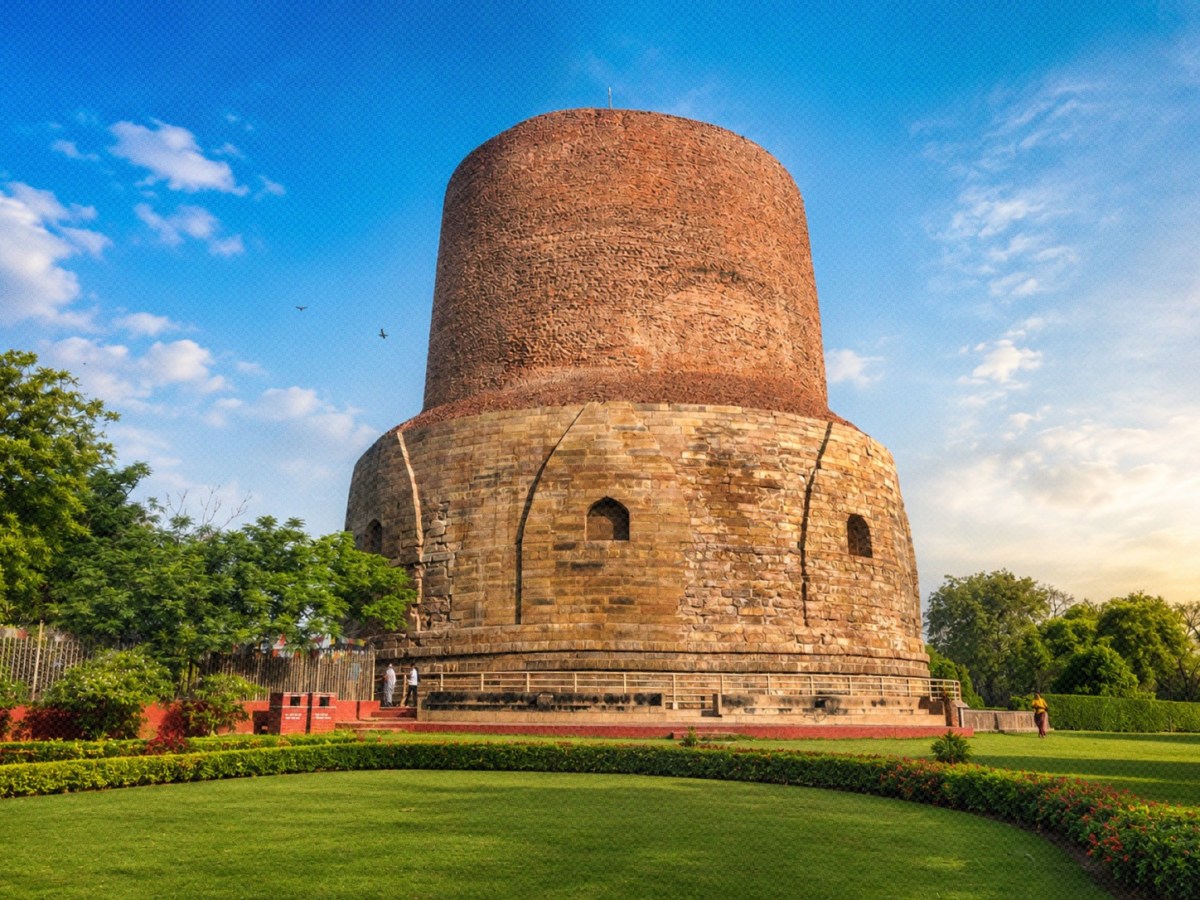
Sarnath enters the UNESCO World Heritage List 2026
Sarnath – the place where the Buddha set in motion the Wheel of the Dhamma – has now been officially inscribed on the UNESCO World Heritage List. This is a moment of profound importance for Dhamma practitioners and students of human history throughout the world. In the renowned **Tipitaka – the collection of the Buddha’s…
Keep reading
Vassana (Rains Retreat) and Kathina Season
Vassana period Vassana or Rains Retreat is the time frame or the period where the Buddhist monks remain indoors or in their monasteries for three months, commencing from the Esala Poya or July Full Moon Day. During the ‘Vassana’ period, Bhikkhus should stay indoors and perform religious activities such as conducting Dhamma sermons and meditation.…
Keep reading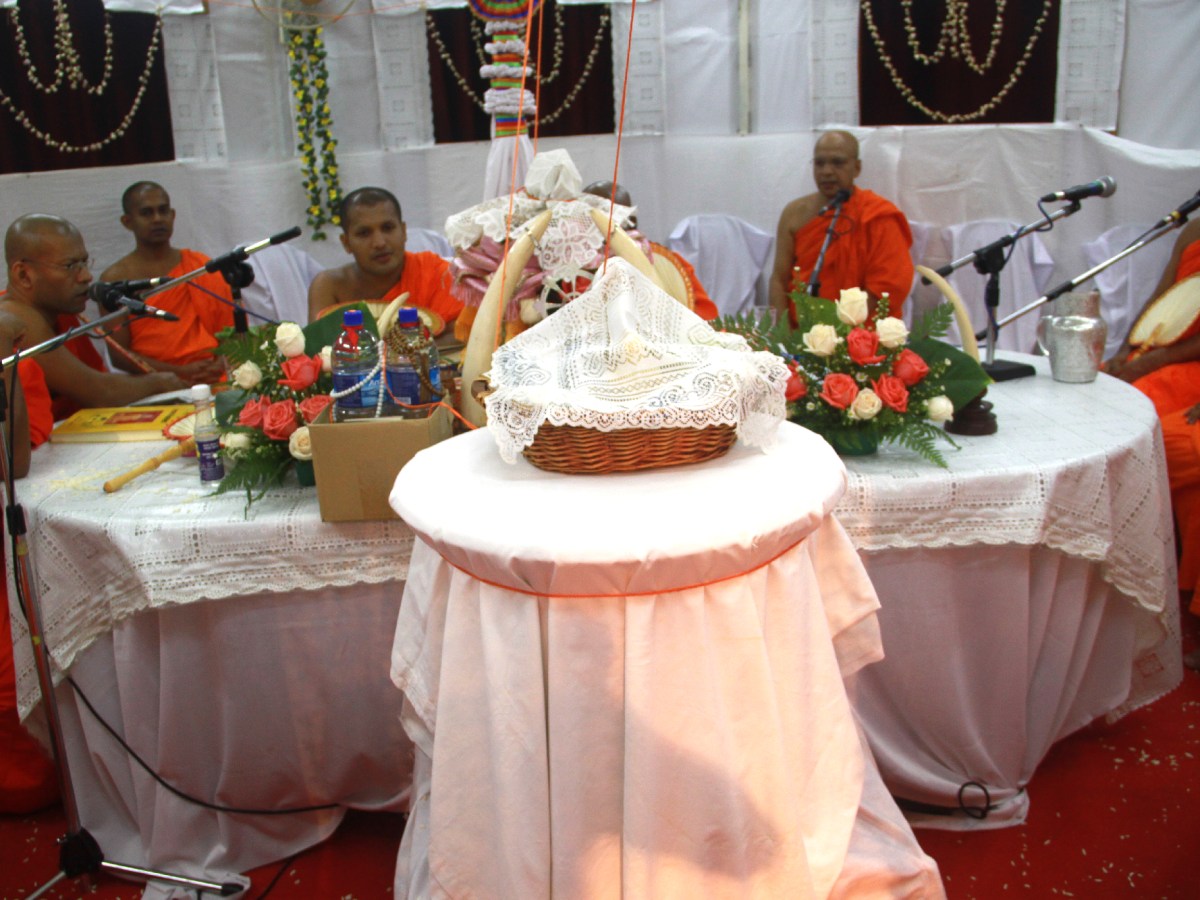
The Value of Paritta Suttas
Recent research in medicine, in experimental psychology and what is now called para-psychology has thrown some light on the nature of the mind and its importance in the world. During the last sixty odd years, the conviction has steadily grown amongst medical men that many causes of disease, organic as well as functional, are directly…
Keep reading
BMV News & Events
Upcoming Events A. Kathina Ceremony – 25th October @ 7.00am. B. FOV Grocery Bag Orang Asli Project – 21st November. C. 48TH Novitiate Programme – 12th Dec to 20th Dec.
Past Events 1. Dhamma Activities A. In-Person Dhamma Talks @ 8pm B. Meditation Retreats C. BMV Dhamma Dana Series Dialogue Session D. Sutta Class
…
Keep reading
Pen Portraits
The theme is to pay tribute to the 80 Maha Arahants and the 13 Maha Theri Arahants who had by their efforts won emancipation of a rare distinction. They belonged to the innermost circles in the life of the Gautama Buddha. The Buddha and the Maha Arahants were together most of the time. No 77.…
Keep reading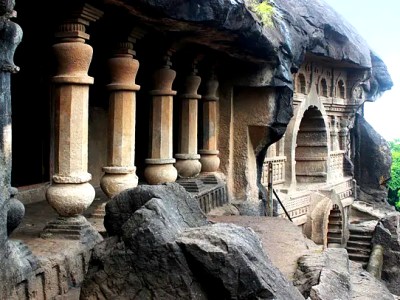
Exploring the Legacy of Ancient Buddhist Caves
A Global Journey through Time, Art, and Philosophy. A Tapestry of History, Interconnection, and Contemporary Relevance. Buddhism, one of the world’s oldest religions, originated in the 6th century BCE in what is now modern-day Nepal. Its teachings and philosophies were disseminated by Siddhartha Gautama, popularly known as the Buddha or “the awakened one”. Over the…
Keep readingProjects
LEND A HAND
The Buddhist Maha Vihara “Lend A Hand” programme is to support the undertaking of a number of crucial projects that are needed for continuous maintenance and upgrading for the benefit of all devotees. We appeal to your kind generosity to help us realise the following:

We are pleased to announce the commencement of work to refurbish the now renamed Wisma K Sri Dhammananda (previously Wisma Sri Dhamma). This 5-storey building will incorporate 2 floors of private accommodation space for Bhikkhunis and female devotees.

If you wish to contribute towards the building fund, the bank details are as follows:-

Account Name: Buddhist Maha Vihara
Account Number: 8000-8611-91 Bank: CIMB
Contact BMV Admin Office for assistance at
Tel: 03-22741141/011-2689 6123
eMAIL: info@buddhistmahavihara.org
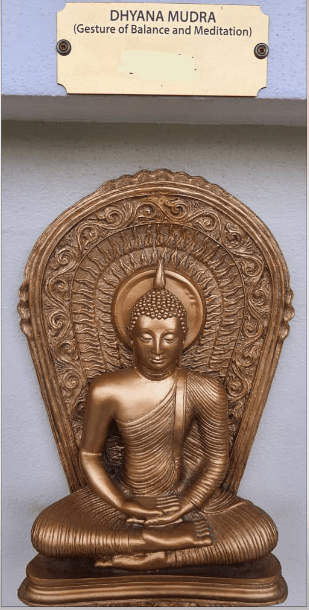
Buddha Frieze for the sponsorship @Meditation Pavilion, BMV
Seated Buddha Frieze
RM 18,000 each
22 statues left to be sponsored
We have the above Seated Buddha Frieze available for sponsorship. Please contact the office for further details. A big Sadhu to all who have sponsored the Standing Buddha Frieze.
WISMA DHAMMA CAKRA
2 nos Elevators on the Ground Floor available for sponsorship
– RM150,000 each

Many families are struggling with the rising cost of essentials, including diapers. Through this initiative, BMV aims to provide clean, dry diapers to families in need – bringing comfort and relief, one family at a time. Your support will make a meaningful difference.
We kindly seek donations of diapers in all sizes (Adults & Children)
Drop–off Location: Buddhist Maha Vihara
Drop-off Hours: 9.00am-8.00pm (Daily)
123, Jalan Berhala, Brickfields, 50470 Kuala Lumpur
General Items for Temple and Devotees’ Use
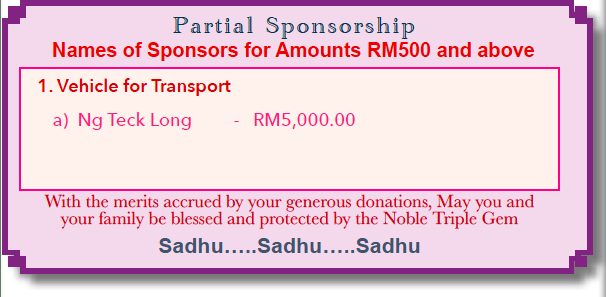
Vehicle for Transport

Balance Required: RM26,400
CONTACT BMV ADMIN OFFICE FOR ASSISTANCE
Account Name: Buddhist Maha Vihara
Account Number: 292-00-01161-8 Bank: Hong Leong Bank
TEL:03 – 2274 1141 / 011- 2689 6123
eMAIL: info@buddhistmahavihara.org
PRAYER FOR FREEDOM FROM SUFFERING
May all beings everywhere plagued with sufferings of body and mind quickly be freed from their illnesses. May those frightened cease to be afraid, and may those bound be free. May the powerless find power, and may people think of befriending each other. May those who find themselves in trackless, fearful wilderness– the children, the aged, the unprotected– be guarded by beneficent celestials.
Buddhist Maha Vihara
(Established in 1895)

The Vihara was founded by the Sasana Abhiwurdhi Wardhana Society, which is the oldest registered Buddhist Society in the country. The Vihara was elevated to that of a Maha Vihara since 1994 with the full complement of the three main sacred objects of veneration namely the Buddha image (1894); the Bodhi Tree (1911) and the International Buddhist Pagoda (1971). Being the oldest Buddhist temple in the Klang Valley, we have served the community selflessly as follows:
Religious Activities
•Daily Buddha Puja at designated hours
•Full Moon and New Moon Buddha Puja
•Bojjangha Puja for good health
•Dhamma Talks
•Meditation Classes and Retreats
•8 Precept Programme
•Chanting Classes
•Wesak Programme and Candle Light Procession
•All Night Chanting to invoke Blessings
•Kathina Ceremony
•Novitiate Programme
Education Programme
FREE Buddhist education for children and adults via the Sunday School since 1929.
Systematic tertiary Buddhist education.
Distributed more than 2 MILLION free publications and CDs/MP3/DVD/VCD in 30 languages since the 1950s.
Dharma for the Deaf class since 1999
Socio-Welfare Activities
Weekly Feeding the Homeless and Needy
Festive Season Midnight Aid Distribution to the Homeless
Grocery Aid Distribution to Welfare Homes and Orang Asli Settlements
Weekly Traditional Chinese Medicine Clinic
Weekly Qigong and Yoga Classes
Weekly Sinhala Language And Cultural Dance Classes
Pursuing inter-religious harmony through the Malaysian Consultative Council for Buddhism, Christianity, Hinduism, Sikhism and Taoism (MCCBCHST)ION
VISION
To be a leading international center for the Learning, Practise and Dissemination of the Buddha Dhamma
MISSION
To provide a conducive environment to:
• promote scholarship and study of the Buddha Dhamma
• propagate the Buddha Dhamma
• be the focus of Buddhist activities for the larger community
• foster Theravada Buddhist cultural and traditional practices
Six Strategic Objectives
To be the Buddhist center of choice for:
1. Pariyatti – Structured Buddhist education for children and adults.
2. Patipatti, Pativedha – Regular programmes for the practice and the realization of the Buddha Dhamma.
3. Dhammadutta – Dhamma materials for the masses locally and abroad
4. Karuna – Compassion in Action
5. Kalyana Mitrata – Networking and Fellowship with Buddhist and non Buddhist organisations to sustain the Buddha Sasana.
6. Samajivikata – Financial viability while committing to Religious and Cultural Obligations.
Four Ennoblers
1. Loving Kindness
2. Compassion
3. Altruistic Joy
4. Equanimity
Motto
Go forth, for the good, happiness and welfare of the many, out of compassion for the world.
BMV DAILY OPERATING HOURS & PROGRAMMES
BMV GATES 1
Monday – Sunday
Open from – 6.00am – 10.00pm
BMV ADMIN OFFICE HOURS
Monday – Saturday – 9.00am – 9.00pm
Sunday – 9.00am – 7.00pm
Public Holidays – 9.00am – 5.00pm
Daily Activities
PUJA
Daily Evening Puja (7.30pm at Shrine Hall)
Saturdays Bhojjangha Puja (7.30pm at Shrine Hall)
Full/New Moon Puja (7.30pm at Shrine Hall)
Sunday Morning Puja (8.30am at Shrine Hall)
MONKS DANA
Daily Morning Buddha Puja – 7.30am
Breakfast Dana – 8.00am
Daily Noon Buddha Puja – 11.30am
Lunch Dana – 12.00pm
Weekly Activities
DHAMMA TALK
Friday at @Bhāvanā Sālā (8.00pm – 9.30pm)
Sunday at @Bhāvanā Sālā (10.00am – 11.30am)
TRADITIONAL CHINESE MEDICINE –
Sunday at TCM Room (10.00am – 2.00pm)
FRIENDS OF THE VIHARA (Feeding the Homeless)
Sunday – Cooking (2.00pm)
– Delivery of Food (5.00pm)
MEDITATION CLASSES
Monday & Thursday at Activity Room Level 3, WDC (7.00pm to 9.00pm)
QI GONG CLASS
Saturday @Bhāvanā Sālā (8.30am – 10.30am)
YOGA CLASS
Tuesday @Asoka Hall (10.30am – 12.00pm)
Thursday @ Asoka Hall (7.00pm – 8.30pm)
(Please register with BMV Office)
SUNDAY SCHOOL DHAMMA CLASS
Sunday at WDC (9.00am to 12.00pm)
PALLI & SUTTA CLASS
Sunday at Mezzanine Floor, WDC (11.00am to 12.30pm)
ABHIDHAMMA CLASS
Sunday at Mezzanine Floor, WDC (9.30am to 11.00am)
DHAMMA FOR THE DEAF
Sunday at Pagoda – (fortnightly) (3.00pm to 4.30pm)
SINHALA LANGUAGE & CULTURAL DANCE CLASS
Sunday at Wisma Annex level 2 (Room 1) (1.30pm to 5.00pm)
ONLINE BUDDHISM CLASS
Saturday for Degree & Master (2.00pm to 7.00pm)
Sunday for Diploma & Degree (2.00pm to 7.00pm)
You can donate towards our many projects :
• Dhammadutta
• Free Buddhist Publications
• Welfare Activities
• Monks Dana
• Sunday Dhamma School
• Maintenance of Shrine Hall
• K Sri Dhammananda Library
• Temple Lighting
• Wisma K Sri Dhammananda (WKSD) Building Fund
Payments can be made via :
BMV Office Counter : Cash, cheques & credit cards
Postage : Make cheques payable to “Buddhist Maha Vihara” & write your name & contact telephone at back of the cheque.
Direct Debit : Hong Leong Bank Brickfields – Acct : 292-00-01161-8

BUDDHIST MAHA VIHARA
123 Jalan Berhala, Brickfields 50470 Kuala Lumpur.
Tel: 03-2274 1141 H/P: 6011-2689 6123
Email: info@buddhistmahavihara.org
Website: www.buddhistmahavihara.org

