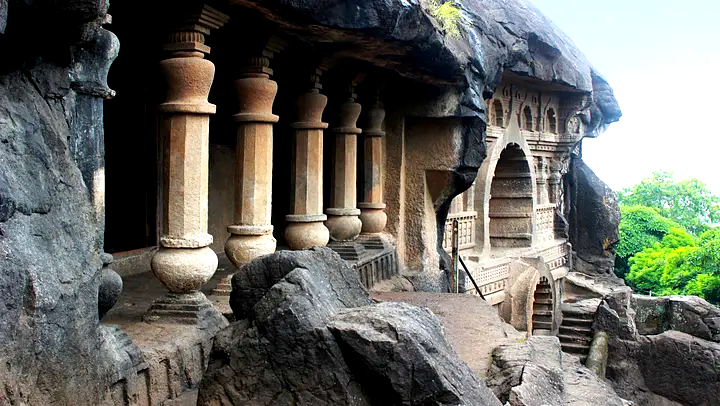
A Global Journey through Time, Art, and Philosophy. A Tapestry of History, Interconnection, and Contemporary Relevance.
Buddhism, one of the world’s oldest religions, originated in the 6th century BCE in what is now modern-day Nepal. Its teachings and philosophies were disseminated by Siddhartha Gautama, popularly known as the Buddha or “the awakened one”.
Over the centuries, Buddhism has permeated various cultures, reaching across continents and establishing itself as a major global religion with an estimated 500 million followers today.
Despite the myriad of practices and interpretations that have evolved, Buddhism remains united by a core set of beliefs and philosophies, primarily the pursuit of enlightenment or ‘Nirvana.
Within this broad religious landscape, caves have held a profound place in Buddhist tradition. These natural retreats, often secluded from bustling societies, offered a conducive environment for meditation, spiritual practices, and living quarters for monastic communities.
Over time, these humble sanctuaries were transformed into vibrant centres of Buddhist art and culture. They were adorned with intricate paintings, carvings, and sculptures that not only enhanced their spiritual atmosphere but also served as visual narratives of the Buddha’s teachings.
These caves, often located along ancient trade routes, became important hubs for the propagation of Buddhism, facilitating its spread across diverse regions.
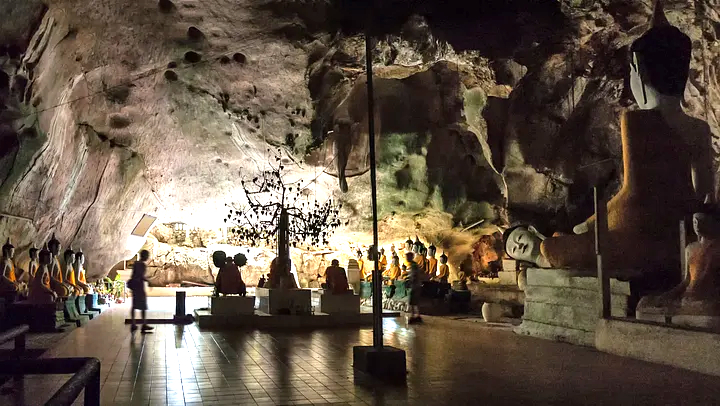
Historical Context of Buddhist Caves
The Buddha himself is said to have achieved enlightenment while meditating under the Bodhi tree, exemplifying the importance of peaceful, natural environments for deep contemplation.
This practice continued with his followers who sought refuge in the tranquility of caves for their meditative practices. The serene ambiance and natural isolation of caves provided an ideal environment for introspection and the pursuit of enlightenment, away from the distractions of daily life.
Beyond serving as retreats for meditation, these caves also functioned as monastic residences, known as Viharas. Early Buddhists, particularly those following the Theravada tradition, often lived in simple, austere conditions, which made caves perfectly suited to their needs.
These natural abodes offered shelter and security and were gradually expanded and adapted to house growing monastic communities.
Over time, these modest residences then evolved into complex structures with multiple rooms for living, studying, and communal activities.
The global spread of Buddhism was a gradual process that transpired over centuries, catalysed by the patronage of powerful rulers, the dedication of monks, and the strategic location of Buddhist institutions along bustling trade routes.
As Buddhism spread, so did the proliferation of Buddhist caves. Starting from the Indian subcontinent, where Buddhism originated, the tradition of cave monasteries and sanctuaries followed the dissemination of Buddhist teachings, reaching as far as Central Asia, China, and Southeast Asia.
Each region, while adopting the cave tradition, also infused its cultural and artistic nuances into the Buddhist framework, leading to a diverse range of Buddhist cave art and architecture.
This global spread of Buddhism, mirrored in the widespread presence of Buddhist caves, is a testament to the universal appeal and adaptability of the Buddha’s teachings.
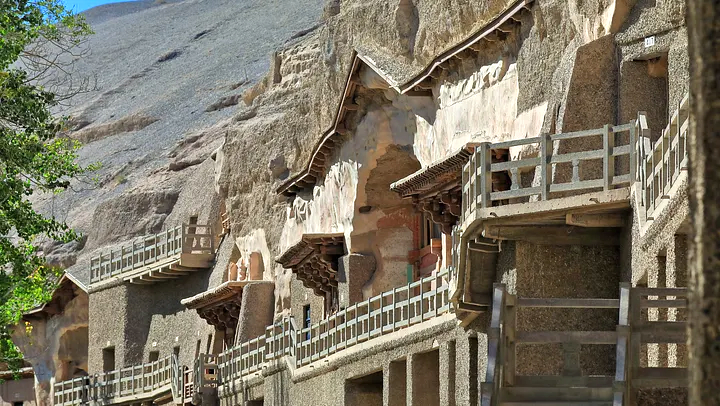
Connecting the Dots: Interrelations among the Buddhist Caves
Despite their geographical separation, these caves share a common purpose: serving as a place for Buddhist worship, meditation, and pilgrimage.
Many feature Buddha statues, intricate murals, and carvings depicting Buddhist teachings. However, variations in architectural styles, art forms, and decor reflect local traditions, artistic conventions, and the unique histories of each region.
The spread of Buddhism along trade routes like the Silk Road facilitated an exchange of artistic ideas and styles. This is evident in the fusion of art styles in many caves.
For example, the Bamiyan statues show a blend of Gandhara and Sassanian art, while the Dunhuang murals depict Indian, Chinese, and Central Asian influences.
The caves collectively represent the transmission, adaptation, and evolution of Buddhist art across cultures and centuries.
The geographical and cultural context of each region greatly influenced the development and decoration of these caves. Factors such as local art traditions, available resources, and prevailing political or religious ideologies played a role.
For instance, the Hiraizumi caves reflect the Japanese Pure Land Buddhism and the political influence of the Fujiwara clan, while the Tham Ting caves showcase a unique Lao tradition of leaving behind Buddha statues. The Seokguram Grotto is a testament to the skilful artistry and philosophical depth of the Silla Dynasty.
In essence, while these caves are united by their shared Buddhist heritage, they each offer a distinctive lens through which to view the cultural and historical panorama of their respective regions.
The interplay of local andglobal, tradition and innovation, seen in these sites makes them an invaluable part of our global cultural heritage.
Today, these Buddhist caves continue to serve as significant places of pilgrimage, attracting devotees who come to pay homage, meditate, or participate in religious festivals.
They also draw tourists from around the world, offering them unique insights into the ancient culture, art, and history of the regions.
The Tham Ting caves in Laos, for example, still witness the unique tradition of depositing Buddha statues. Similarly, the annual festival at Pak Ou caves draws both religious adherents and tourists.
These caves play an instrumental role in promoting Buddhist teachings and fostering cultural exchange. The artwork and inscriptions inside the caves are tangible testimonials of the Buddhist doctrine and values.
As they draw international visitors, they also become venues for cultural interactions, promoting a global understanding of Buddhism and its various cultural expressions.
Given their historical, religious, and cultural significance, the conservation of these caves is of paramount importance. These sites not only embody the cultural heritage of a region but are also significant for the study of the history of art, architecture, religion, and culture.
For example, the UNESCO has recognised several of these sites, like the Bamiyan Valley and Seokguram Grotto, for their outstanding universal value.
These caves face several conservation challenges though, including natural deterioration, human-induced damage, and in some cases, political conflicts. The tragic destruction of the Bamiyan Buddhas underscores the vulnerability of such heritage sites.
Their preservation is an ongoing endeavour that requires the collective efforts of local communities, national governments, and international organisations. Their continued relevance underlines the enduring power of cultural heritage in connecting peoples.
The legacy of the ancient Buddhist caves extends far beyond their historical and artistic significance. They stand as timeless testaments to the human quest for spiritual understanding and artistic expression.
Their resilience through centuries, weathering both the elements and the tides of political change, speaks volumes about the enduring appeal of the Buddhist philosophy they enshrine.
Today, these caves serve as bridges across time, linking the modern world to ancient civilisations, their beliefs, arts, and cultures.
They provide valuable insights into how Buddhism adapted and integrated into different cultures, shaping and being shaped by the societies it encountered.
These sites are, therefore, much more than historical relics; they are living monuments that continue to educate, inspire, and fascinate.
Through the exploration of the caves, we can see the universal message of Buddhism — of peace, compassion, and wisdom — expressed through diverse artistic languages.
The interconnectedness seen in the Buddhist cave art, with influences spanning across various regions and periods, mirrors the Buddhist philosophy of interdependence and interconnectedness.
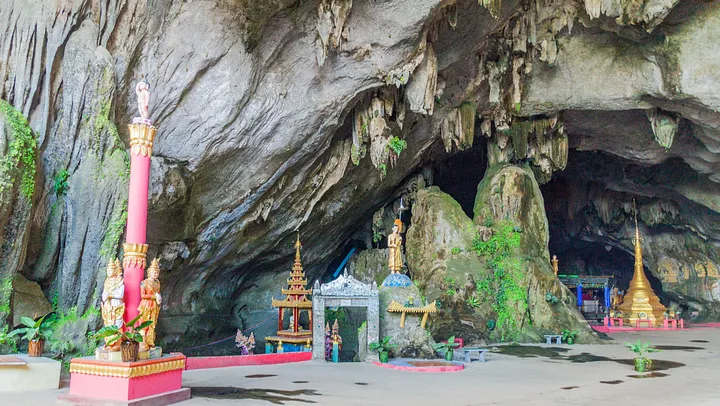
With their impressive array of statues, paintings, and architectural grandeur, they speak to a shared human heritage that transcends geographical, cultural, and temporal boundaries.
They embody the spirit of Buddhism in their stillness, in their survival against odds, and their universal appeal. As such, they invite us not only to appreciate the magnificence of Buddhist art but also to reflect on the timeless wisdom that these stone walls have silently whispered for centuries.
In essence, these caves offer us a journey — a journey that traverses through the corridors of time, across the canvas of cultures, and into the heart of the Buddhist worldview.
Editor – This is an edited version of the original article which is in the link below
Source and Credit : https://medium.com/@ancient_artefacts/exploring-the-legacy-of-ancient-buddhist-caves-1863848c97b9
About the Writer – Ancient Artefacts is a writer on the Medium platform for human stories and ideas. She is a world traveler, history and sociology graduate, and lifelong anthropology and archaeology enthusiast and has written on her travels around the world exploring ancient ruins, examining priceless artefacts, and engaging with the local communities that preserve the legacy of their ancestors. She shares her knowledge and insights with fellow enthusiasts on Medium.

